Obsessive-Compulsive Disorder (OCD) is a mental health condition. People with OCD have unwanted thoughts and feel the need to repeat certain actions. Meditation is a practice that helps calm the mind and body. Many people ask, “Does meditation benefit OCD patients?” This blog will answer that question. We will explain what OCD is, how meditation works, and if it can help those with OCD. You will also find tips and answers to common questions.
What is Obsessive-Compulsive Disorder (OCD)?
OCD is a condition that affects thoughts and behaviors. People with OCD have obsessions, which are unwanted thoughts or fears. They also have compulsions, which are actions they feel they must do to ease their anxiety. For example, someone may wash their hands many times to feel safe from germs. OCD can make daily life hard. It affects people of all ages. According to the World Health Organization (WHO), OCD is one of the top 20 causes of illness for young adults.
How Does Meditation Work?
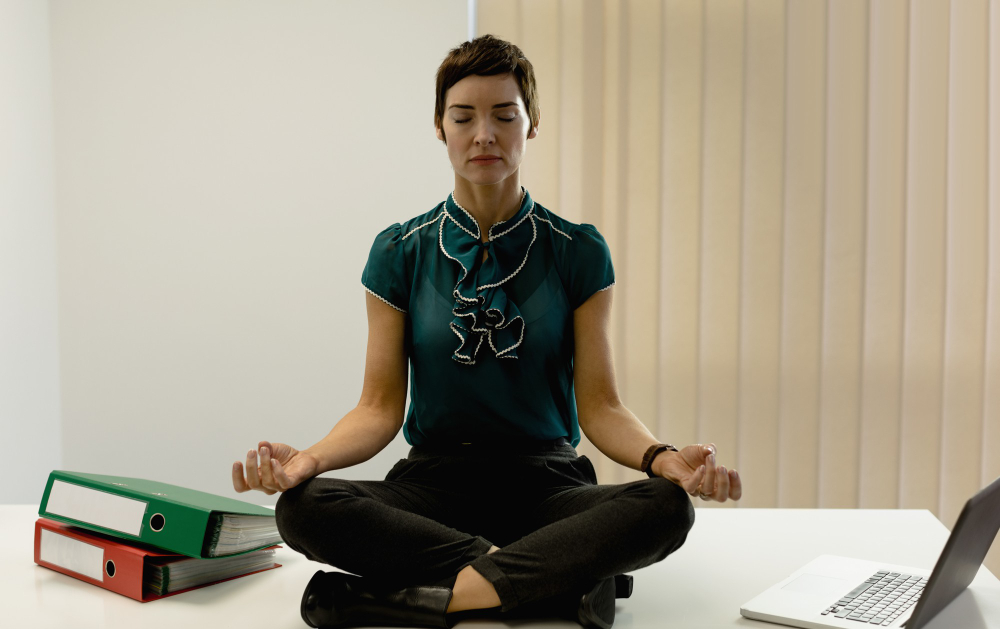
Meditation is a simple way to focus your mind. It often involves sitting quietly and paying attention to your breath. Some types, like mindfulness meditation, help you notice your thoughts without judging them. Over time, meditation can help you feel calmer and less stressed. Many people use meditation to improve their mental health. It is easy to learn and can be done almost anywhere.
Can Meditation Help OCD?
Many studies have looked at meditation for OCD. Mindfulness and OCD are often linked in research. Mindfulness meditation teaches you to notice your thoughts without acting on them. This can help people with OCD manage their obsessions and compulsions. For example, a study in a medical journal found that mindfulness-based therapy reduced OCD symptoms in many patients. Experts from the CDC also say that meditation can lower stress, which may help with OCD. However, meditation is not a cure. It works best when used with other OCD treatment options, like therapy or medicine.
Benefits and Limitations of Meditation for OCD Patients
Frequently Asked Questions (FAQ) about Meditation and OCD
Practical Tips: How OCD Patients Can Start Meditation Safely
When to Seek Professional Help
If OCD symptoms are strong or get worse, it is important to seek help. Meditation can support your mental health, but it is not a cure. You should contact a mental health specialist at Dr. Rupinder’s Neuropsychiatry Centre if:
Remember, help is available. You do not have to manage OCD alone.
Consult a mental health specialist at Dr. Rupinder’s Neuropsychiatry Centre for personalized advice on OCD and meditation.