Introduction
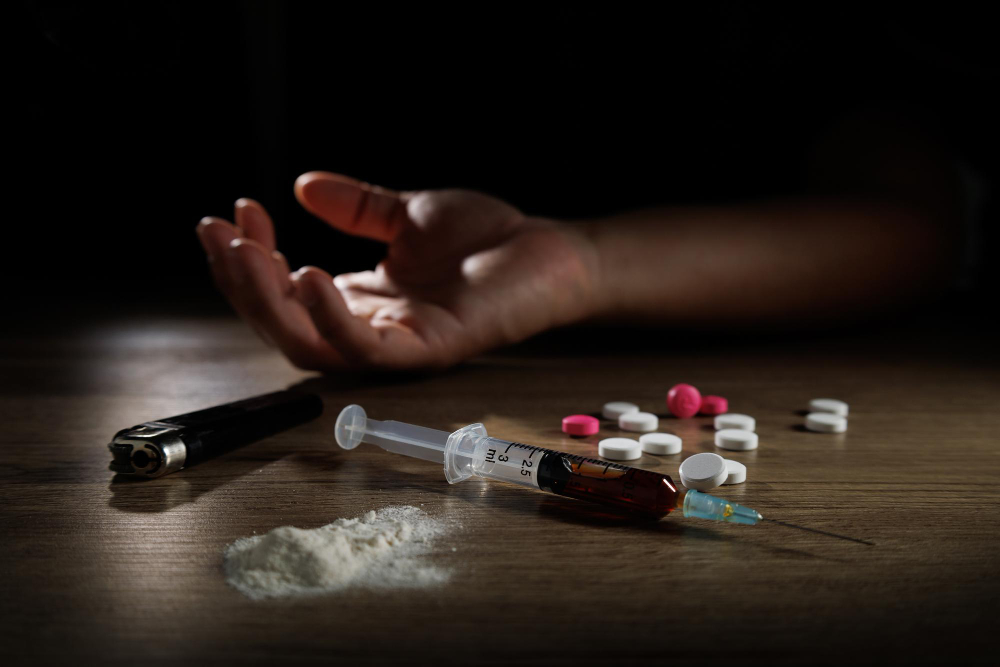
Opioid deaddiction means stopping the use of opioids and regaining control of your life. Opioids are strong pain medicines, but they can be addictive. Many people struggle to break the cycle of opioid addiction. However, with the right help, recovery is possible. Opioid deaddiction is important because it helps you live a healthier, safer, and happier life. According to the CDC, opioid addiction is a growing problem worldwide. But, many people have successfully overcome it. This blog will guide you through the steps to break free and reclaim your life after opioid addiction.
Symptoms of Opioid Addiction
Recognizing the signs of opioid addiction is the first step toward recovery. Often, people may not notice these symptoms right away. However, knowing what to look for can help you or a loved one get help sooner. Common symptoms include:
If you notice these symptoms, it may be time to seek help. Early action can make recovery easier.
Causes and Risk Factors
Many factors can lead to opioid addiction. Sometimes, people start using opioids after surgery or injury. But, some may use them for emotional pain. The risk of addiction increases if you:
However, not everyone who uses opioids becomes addicted. Knowing your risk can help you stay safe.
Diagnosis and Recognizing the Need for Help
Getting a diagnosis is a key step in opioid deaddiction. Doctors use simple questions and tests to check for addiction. For example, they may ask about your opioid use, mood, and daily life. Sometimes, blood or urine tests help confirm opioid use. If you or someone you know cannot stop using opioids, it is time to seek help. Early diagnosis leads to better recovery outcomes. Do not wait for the problem to get worse. Instead, reach out to a healthcare provider or addiction specialist.
Treatment Options
There are many ways to treat opioid addiction. Each person’s journey is different, but most people need a mix of treatments. Common options include:
With the right support, breaking the opioid addiction cycle becomes possible. Always follow your doctor’s advice for the best results.
Lifestyle Changes and Coping Strategies
Besides medical care, lifestyle changes help you stay on track. For example, you can:
Moreover, learning new hobbies or skills can fill your time and reduce cravings. If you feel stressed, talk to someone you trust. Remember, small changes add up over time.
Prevention and Relapse Management
Preventing relapse is a key part of opioid recovery support. Even after treatment, cravings can return. However, you can lower your risk by:
If a relapse happens, do not lose hope. Instead, talk to your doctor or counselor right away. Quick action can help you get back on track.
Resources and Support
Many resources are available for opioid deaddiction and recovery. For example, you can contact:
Additionally, some cities offer special programs for opioid recovery support. Ask your doctor about local options. You are not alone in this journey.
Conclusion
Breaking the opioid addiction cycle is challenging, but it is possible. At Dr. Rupinder’s Neuropsychiatry Centre, Gurdaspur, Punjab, with the right treatment, counselling, and lifestyle support, you can reclaim control over your life after opioid addiction. Do not wait to seek help — consult a specialist at Dr. Rupinder’s Neuropsychiatry Centre for personalised guidance and recovery support.