What is PTSD?
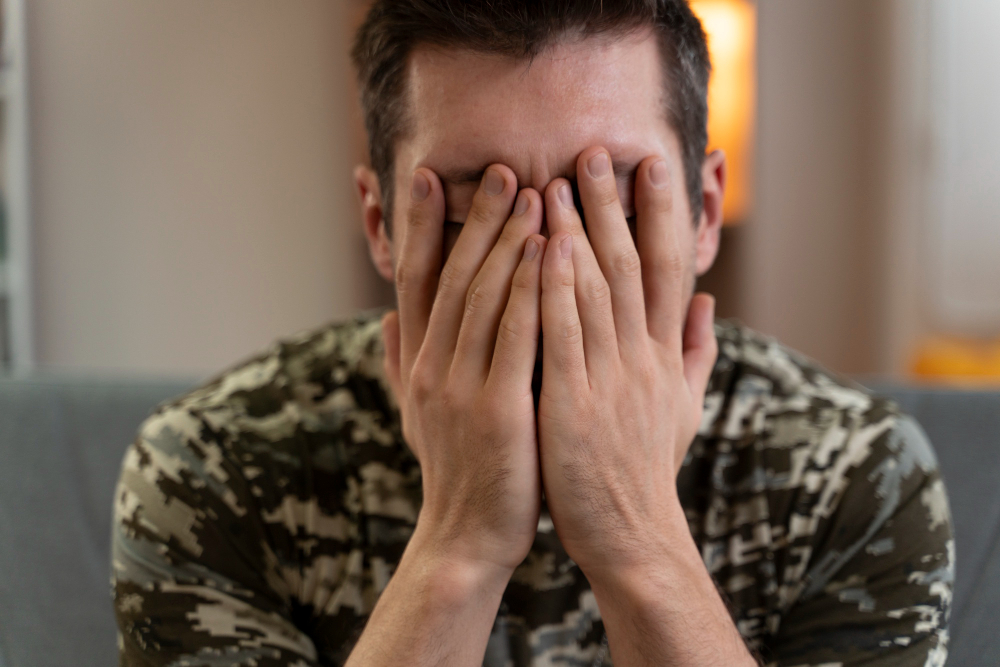
PTSD, or Post-Traumatic Stress Disorder, is a mental health condition. It can develop after someone experiences or witnesses a traumatic event. For example, people may get PTSD after accidents, natural disasters, or violence. Not everyone who faces trauma will develop PTSD. However, for some, the effects last long after the event is over. According to the World Health Organization, PTSD affects millions worldwide. Early support can make a big difference.
Common Symptoms of PTSD
PTSD symptoms can appear soon after trauma or even months later. These symptoms often disrupt daily life. Importantly, not everyone will have the same signs. Below are common symptoms:
Sometimes, these symptoms can come and go. But if they last more than a month, it may be PTSD.
Causes and Risk Factors
Anyone can develop PTSD, but some people are at higher risk. The main cause is exposure to trauma. Still, several factors can increase risk:
Additionally, genetics may play a role. Some people may be more sensitive to stress.
How PTSD is Diagnosed
Doctors use careful steps to diagnose PTSD. First, they ask about symptoms and trauma history. Next, they may use special questionnaires or interviews. According to the CDC, symptoms must last more than one month for a PTSD diagnosis. Also, these symptoms must cause problems in daily life. Sometimes, doctors check for other conditions, like depression or anxiety, to make sure of the diagnosis.
Treatment Options for PTSD
PTSD is treatable. Many people get better with the right help. Treatment options include:
Sometimes, a mix of treatments works best. It is important to follow the treatment plan and stay in touch with your doctor.
Lifestyle Tips and Coping Strategies
Along with treatment, healthy habits can help manage PTSD. Here are some useful tips:
Remember, healing takes time. But with patience and support, things can improve.
Prevention and Early Intervention
While it is not always possible to prevent PTSD, early help can lower the risk. After a traumatic event, talking to someone you trust can help. Seeking support from a counselor or mental health professional is also important. For people in high-risk jobs, training and support programs can make a difference. Early intervention can stop symptoms from getting worse.
If you or someone you know is struggling with PTSD, do not wait. Consult a mental health professional at Dr. Rupinder’s Neuropsychiatry Centre, Gurdaspur, Punjab for personalized advice on PTSD.